As part of our Ghosts in Romance Series, ghosts weren’t always romantic. Once symbols of punishment and moral warning, they slowly evolved into characters, companions, and finally romantic heroes. Here’s how ghosts changed—and why love replaced those chains they used to rattle…
Ghosts weren’t always written to be loved.
Once upon a time, they existed to warn the living—to frighten, shame, or correct the past. They rattled chains and did a lot of moaning as they floated down dark corridors, generally appearing as a consequence of choices made in life.
So how did we get from that… to ghosts who linger for love?
Ghosts as Warnings: When Chains Meant Guilt
Early literary ghosts weren’t romantic figures.
They were moral ones.
But I asked myself, what’s with rattling chains and ghosts? I’m sure you’ve heard the phrase, too.
Well, it turns out those chains weren’t for blinging up their ghostly costumes for dramatic theatrics in their job of haunting your abode—they were symbolic.
The chains represented guilt, debt, punishment, and the weight of choices made in life. Those spirits existed to teach the living a lesson, not to connect with them.
A chain-rattling ghost wasn’t asking to be understood.
He was issuing a warning.
Scary, right!
The Shift: When Ghosts Became Characters
Over time, something changed.
Ghosts began to feel less like symbols and more like people. They had personalities. Regrets. Quirks. Stories of their own.
Remember Moaning Myrtle and Nearly Headless Nick from Harry Potter?
Instead of appearing only to terrify, they began to coexist with the living—sometimes tragic, sometimes funny, while creating a magical element to the story. But underneath it all, they’re quietly sad.
They weren’t there to punish.
They were simply… there.
And as ghosts became more recognisable as former humans, the fear softened, and those chains of warning started to fade.
From Fear to Familiar: Ghosts as Companions
As ghosts became familiar, they also became safe.
They turned up in schools, houses, workplaces, and hotels. They were awkward, bored, lonely, or stuck in routines they couldn’t escape. Often played for humour in sitcoms, these ghosts weren’t romantic or frightening.
Importantly, they were no longer bound by guilt but by circumstance.
This phase taught audiences that ghosts could exist without threat—that their presence didn’t automatically mean danger.
Ghosts as Allies, Not Omens
The next evolution pushed ghosts into active roles. All you need to do is scroll through Netflix to see shows where ghosts:
- help solve mysteries
- reveal truths
- guide the living rather than haunt them
Ghosts became allies, no longer a problem to escape while screaming or fainting with fear.
And once that happened, romance became possible.
When those Ghostly Chains Became Invisible
Romantic ghosts don’t rattle chains—but that doesn’t mean they aren’t bound.
Their restraints simply changed.
Instead of iron and punishment, modern romantic ghosts linger because of:
- love
- memory
- unfinished care
Remember the supernatural romance movie Ghost?
Well, in the movie, Sam’s love for his wife brought him back—sure, to warn her that her life was in danger.
But their love…
(*sighs)
It’s just another example of how ghosts wrapped their souls in invisible chains, choosing to stay grounded not out of guilt, but devotion.
Love became their trap. And their chains.
Why Romance Could Only Come After Fear Left
Pretty obvious, right? Who’d want to stop and kiss someone who scares you—oh wait, isn’t that dark romance?
Just kidding.
I’m just saying that ghosts didn’t become romantic because readers wanted danger.
They became romantic after they stopped being frightening. And because they offered something unique as romantic heroes.
Once ghosts were familiar, emotionally readable, and safe to be near, they carried those emotional romantic beats of longing, restraint, and sacrifice—the glorious foundations of a good romance book, even if it’s about the damned.
Spooky ghosts of woe and warning stopped asking, “What did you do wrong?”
And started asking, “Who did you love enough to stay for?”
The Romantic Ghost Today
The modern romantic ghost isn’t a warning or a joke. He’s a presence—one who loves without possessing, who embodies longing and yearning… and when the time comes, he lets go.
That evolution didn’t happen overnight. But when done right, it creates something unforgettable.
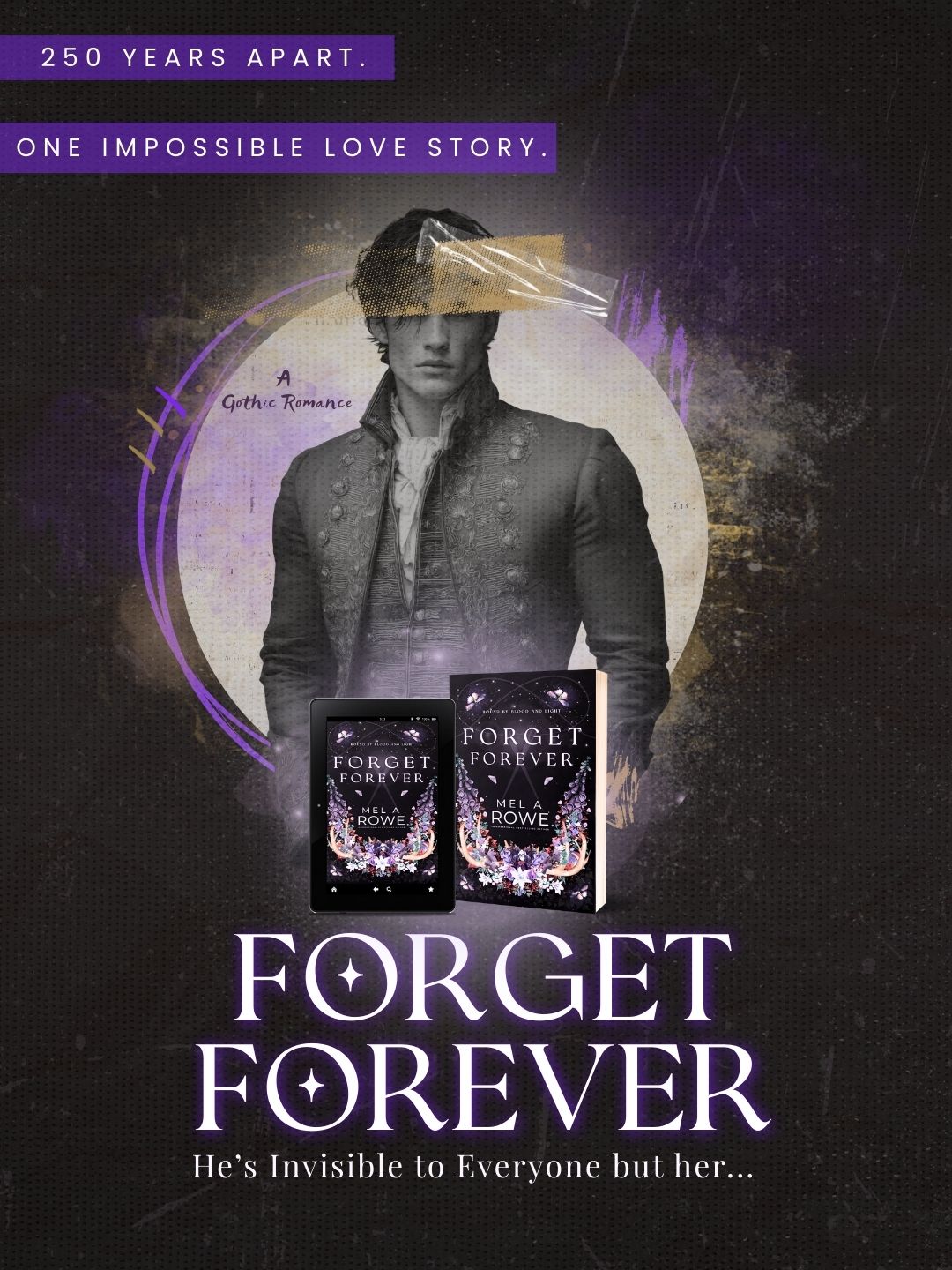
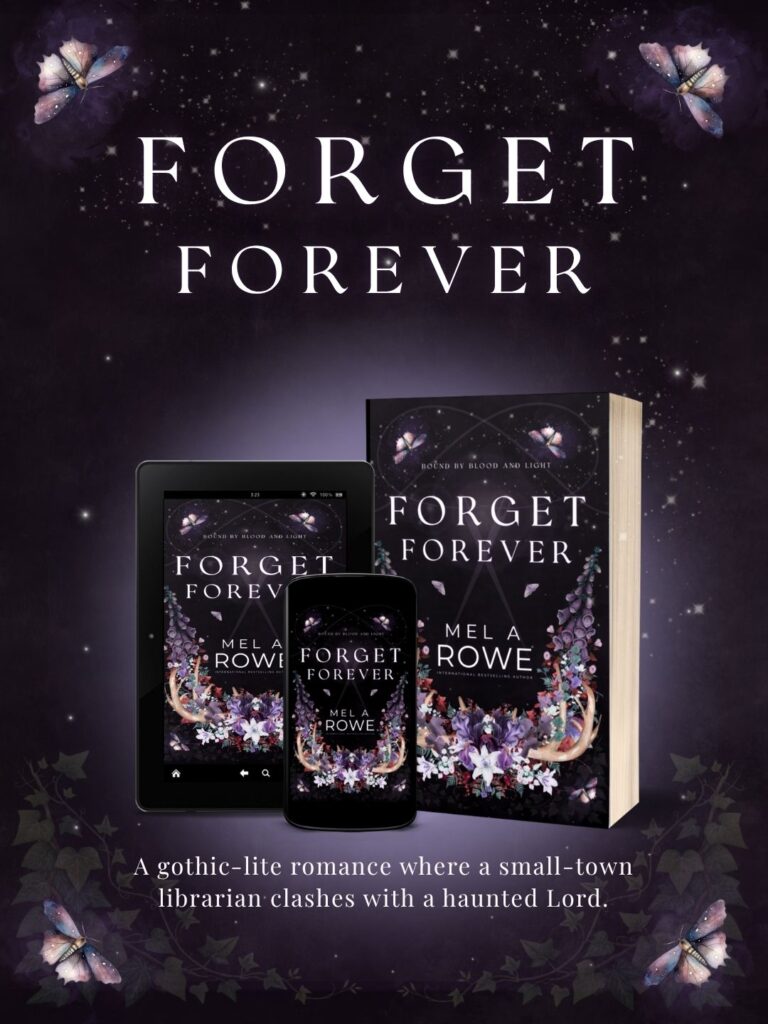
In Forget Forever, you’ll find a Lord who embodies everything romantic ghosts have become—the restraint, the longing, the impossible love—wrapped up in a manor full of secrets and a mystery that spans centuries. He’s not there to warn anyone. He’s there because he can’t leave. And the woman who discovers why might be the only one who can, well…
If you’re looking for that ghostly romance filled with yearning and impossible choices, this is where you’ll find it>>