You know them, the old manor in fiction, from Thornfield Hall to Gotham City and Dracula’s castle, how do those spooky manors help bring the romance to life?
What Is It About Old Houses?
Not to sound like a Scooby-Doo or Supernatural fan (which I am), but what is it about old houses that makes our imaginations wander the moment the sun sets? The shadows? That heavy silence? And all that eerie creaking?
Or is it just clever theatrics that make those stories cling to the cladding?
And in gothic romance, the house doesn’t just stand—it does so much more than make the hair on the nape of our necks rise.
In the best gothic romances, the manor isn’t just a backdrop—it becomes a character that helps to shape the love story itself into something incredibly memorable.
Gothic Romance Has Always Loved Its Manors
Long before ghosts became romantic heroes, old houses were shaping love stories in a way that the humble cottage just couldn’t quite cut it. The Brontë sisters knew it. Daphne du Maurier knew it. And modern gothic storytelling still leans on it today.
Why?
Because a manor doesn’t just hold ghosts—it holds secrets that lead to questions.
And questions feel a lot like the perfect backdrop for a romance after dark.
Classic Manors That Shaped Romance
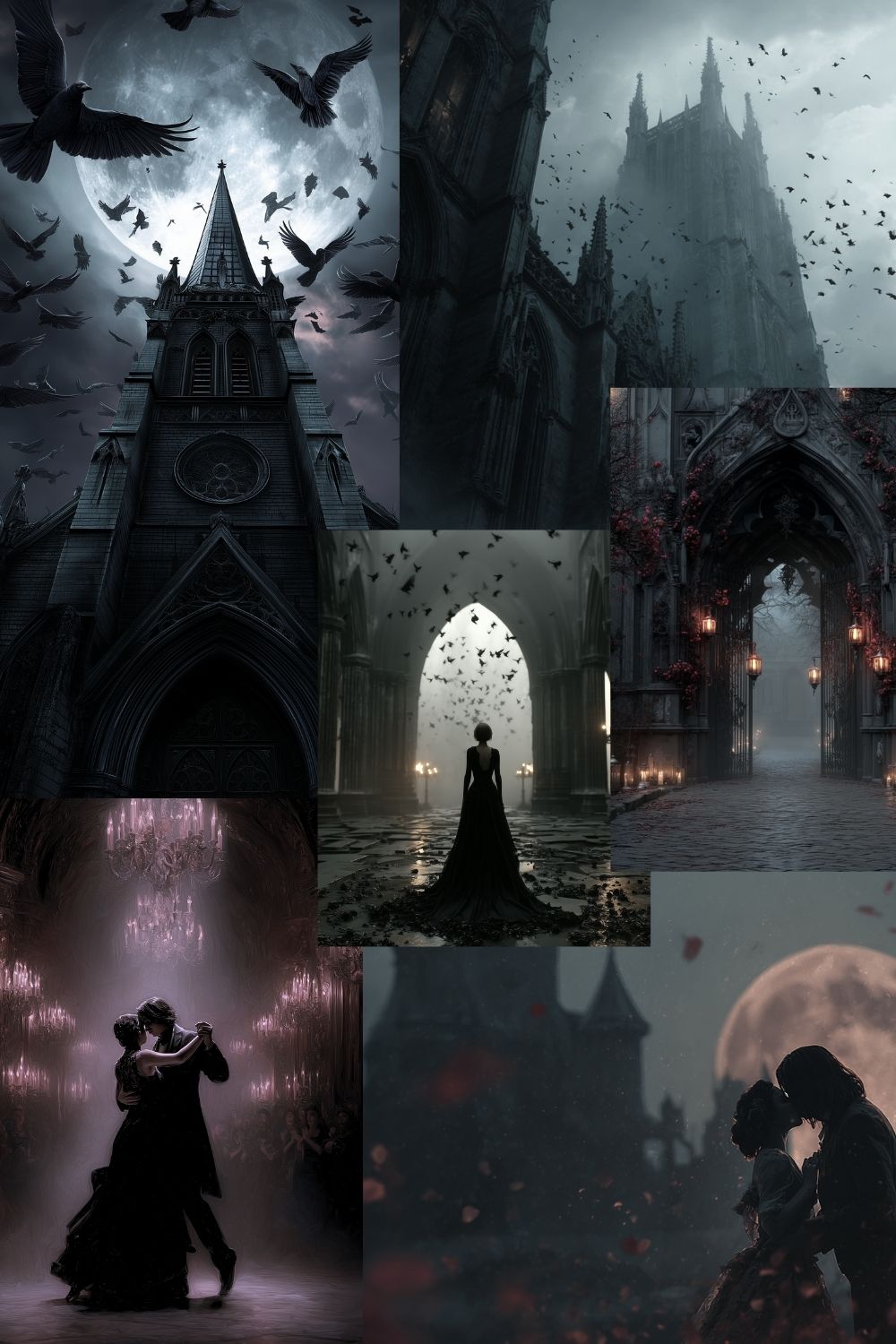
Some of the most iconic romances in gothic fiction are inseparable from their manors. They’re practically cast members.
- Thornfield Hall didn’t just shelter Rochester in Charlotte Brontë’s Jane Eyre—it tested him. Every secret in its corridors added consequence to love.
- Manderley shaped Maxim de Winter before Rebecca even stepped into the story. Du Maurier didn’t need chains—she used silence, shadow, and atmosphere to make the place unforgettable. (Pity, as I found the latest movie version like watching paint dry.)
- Wuthering Heights
- Bleak House
- Victorian London townhouses
- Edinburgh stone closes
- New Orleans estates in Anne Rice’s world
All these gothic settings breathe mood into the romance long before they breathe fear into the reader.
The Addams Family & Their Iconic Manor
The Addams Family owned the “ultimate spooky manor” category.
Their home is a huge gloomy Victorian-style mansion packed with secret passages, odd artefacts, suits of armor, creaking floorboards, and dramatic staircases. Their front yard practically overlooks a graveyard as its landscape.
This is a family who treats the macabre like décor.
It’s spooky, iconic, and weirdly lovable—which makes it a perfect pop-culture reference for this post’s theme.
Which leads naturally to…
Tim Burton & His Many Manors in Movies
Tim Burton loves a spooky estate.
Such as:
- The Nightmare Before Christmas (1993)—the one with Pumpkin King Jack Skellington
- Corpse Bride (2005)—with the best jazz scene in a bar, by Mr Bonejangles! (If you know, you know.)
Both of these movies lean hard into gothic architecture and the family estates as atmosphere. The crooked bannisters, candlelit halls, and moody silhouetted windows.
Mr Burton has mastered the concept of shadowy small towns and manors that feel like characters with a heartbeat and mystery, then loaded it up with lots of small-town superstition.
Which made such a natural transition into…
Wednesday (Netflix) & the Gothic Undertones
Tim Burton’s Netflix interpretation of the Addams Family in the Wednesday series is loaded with gothic undertones.
The aesthetic is gothic + dark academia, where Nevermore Academy is made of moody stonework, gargoyles, fog, taxidermy in the halls, scary forests, and crypts that make for a mystery-heavy setting.
The story uses romance sparingly as a subplot flavour, but when it appears, it emerges through mystery, curiosity, investigation, and consequence.
But readers don’t love Wednesday because of the romance—they love it because of the mood, setting, mystery, and Burton-esque nostalgia for spooky estates. Especially around Halloween.
Vampire Castles, Secretive Manors & Why They Work
If we’re talking gothic estates that fuel the imagination, we can’t skip the big ones.
Count Dracula’s home base, Castle Dracula:
This one is less manor and more of a fortress—but it set the bar for architectural mood for every brooding estate in a story that followed: remote towers, jagged spires, creeping shadows, and the sense that the place itself is breathing myth and magic within this world.
Later, as the story goes, the Count purchased Carfax Abbey in England—a vast, ancient estate-like home soaked in history, decay, and gothic atmosphere. Not spooky because of ghosts, but spooky because of questions. The walls feel like they know something you don’t, which only adds to the magical atmosphere of the story.
Then there’s Sept-Tours Manor:
From Deborah Harkness’s A Discovery of Witches, Sept-Tours is an ancestral estate that proves a manor doesn’t need to be frightening to be irresistible. It influences romance through history, secrecy, legacy, and a slow-burn emotional consequence stitched into the stonewalls that overlook the small town like a queen.
Game of Thrones:
Even though Game of Thrones is high fantasy, its castles and great houses still captured the same gothic appeal of grandeur and layered history, with corruption cleverly baked into the mortar, the hidden doorways and tunnels, that only amplified the atmosphere of the ever-changing alliances, betrayal, mystery—the house… Excuse me, (*clears throat*) as Tywin Lannister would say: “Those Great houses” became characters, even if the romance doesn’t get as much screen time like the Harkness or Brontë books.
We can also go much bigger under this guise and into…
Cities that are just bigger versions of those shadowy Manors
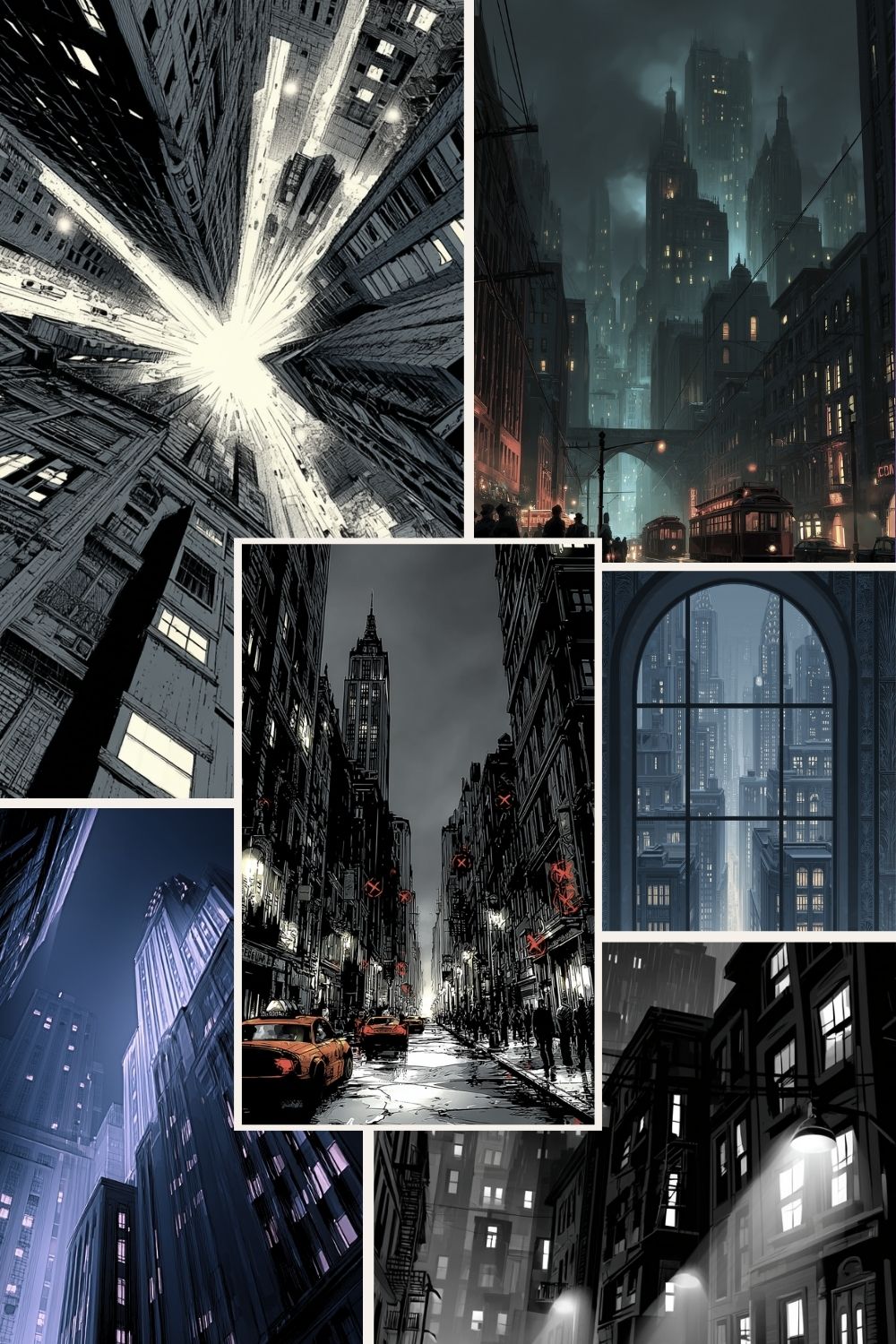
This leads into what is known as Urban Gothic, a sub-genre of Gothic fiction borrowed by many horror stories, like Dr Jekyll and Mr Hyde. Where gothic settings have evolved beyond the gate, to skip down those dark streets where shadows take on their own form, past the windswept moors or ancestral estates, to head for the city lights.
And no city does this better than..
Gotham City
All neo-gothic spires, gargoyles, perpetual gloom, and urban decay—this city is the perfect extended landscape of a modern echo of the haunted house. Forget about Batman; when this city becomes the character, haunted by its layered history and embedded corruption. Gotham’s cityscape is just like a manor with too many secrets and not enough candles.
Notice how most of those gothic-like spooky cities belong to superheroes?
It seems to be the standard for comic book superheroes (don’t come at me if you’re a fan), but they all share the same gothic undertones where the villains lurk and the superheroes go above and beyond to save that city. Such as:
- Arrow’s continuous battle to save his city – Star City
- Metropolis has Superman and the continuing debate that it may be the city home for The Suicide Squad.
It also proves beautifully that gothic architecture and mood can live anywhere—and in certain stories, it sticks differently to concrete far beyond a simple lick of white paint.
So How Do Manors, Spooky Estates, and Romance Work?
Here’s the secret: manors make romance inevitable.
Yep.
Besides the obvious scary movies, where the girl screams and then runs into the arms of her saviour. (*This is the part where we roll our eyes. I am.)
But when characters are trapped in close quarters by a storm, when they’re forced to explore dark hallways together, when they uncover love letters in hidden drawers or family secrets in locked wings—that close proximity becomes intimacy. No wonder it is such a popular trope among romance readers today.
But when the house makes them confront each other, makes them vulnerable, and somehow forces them into uneasy allies to go against the mysteries of the spooky manor, it takes that level of intimacy beyond the simple romance novel.
That somehow, between the creaking stairs and whispered legends, between the portraits that watch and the ghosts that linger, two people find each other.
So, yeah, the job of the spooky manor doesn’t just shelter romance—it cleverly cultivates it. Don’t you think?
Why Readers Find This Romantic (Not Just Spooky)
Old houses represent history, legacy, permanence—things that contrast beautifully against the vulnerability of new love and those awkward steps that the romantic couple go through. Those spooky manors, or just any old manor, are about tapping into those deep familial roots, that feeling of belonging that makes it a home, while somehow heightening those romantic concepts even if wrapped in shadow and stone.
When we fall in love with a manor, we’re really falling in love with the idea that some things endure. That love, like the house itself, can survive storms, secrets, and time.
The Latest Manor You’d Love To Meet
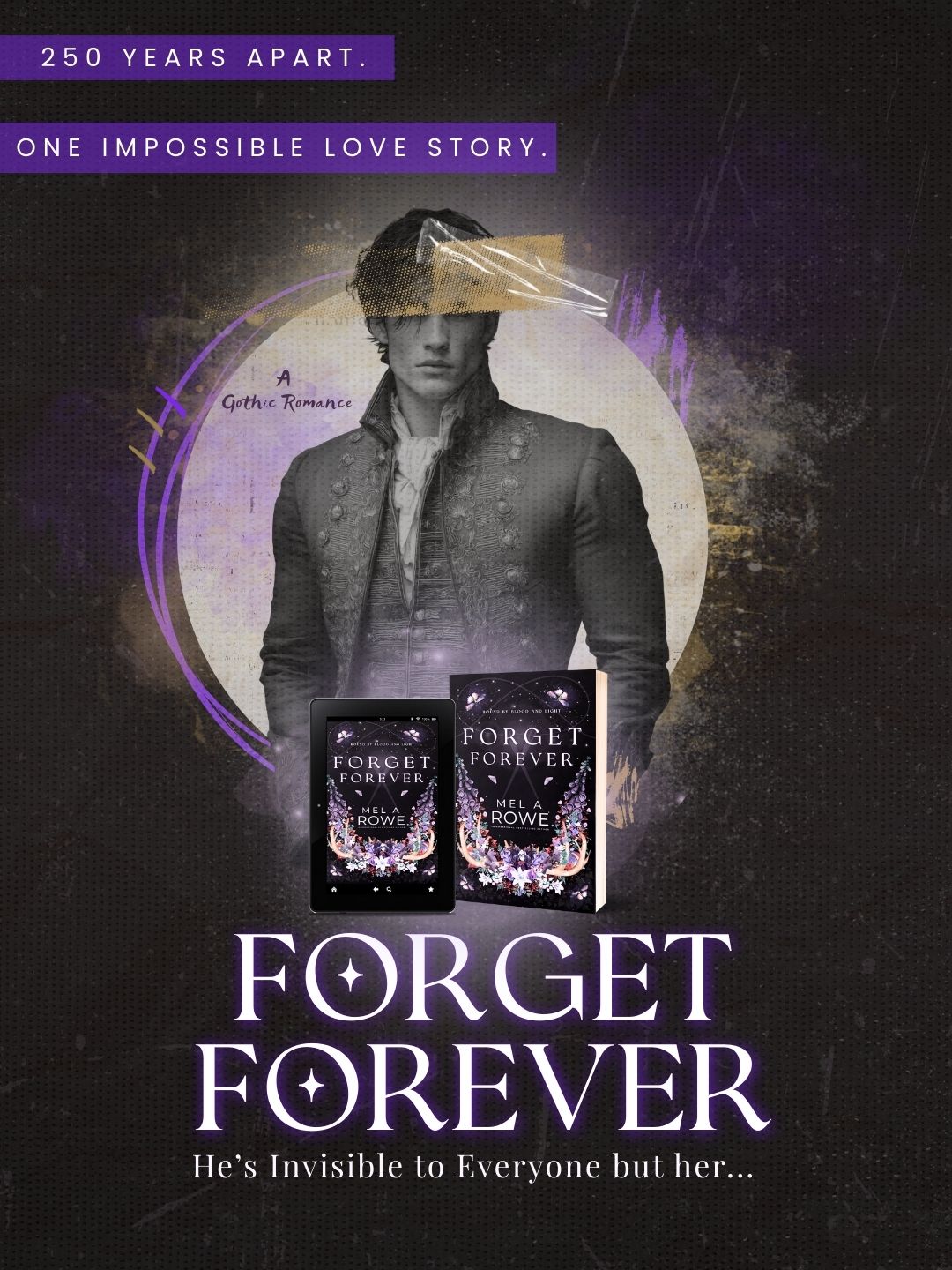
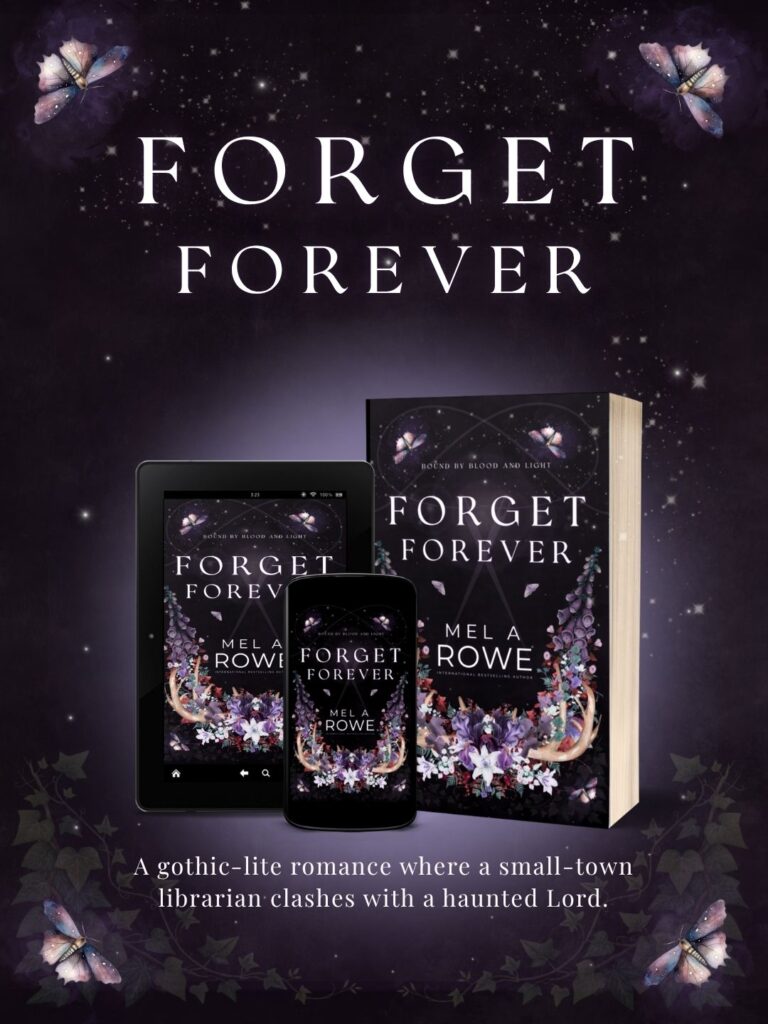
Inspired by 1700s estates, gothic architecture, olde-world superstition, and those darkly romantic ‘farming royalty’ homes where every portrait watches and every hallway remembers, Strathmuir Manor is the ancestral home of the MacArloch family.
Grand. Moody. And full of atmosphere.
But it’s not the grand stairs in the main foyer that make this place unforgettable.
It’s the ghost who never died.
At Strathmuir Manor, every creak of the floorboards whispers a warning, every gilded portrait guards a secret, and the ghost who haunts its halls has never been more alive—or more dangerous to love.
And that’s the magic of a manor in romance fiction—it both shelters and fans the story’s pulse.
And Strathmuir Manor is no exception. She’s gorgeously grand, moody, and full of atmosphere—but it’s what (and who) she shelters that brings Forget Forever to life.
And she’s waiting for you to step through those doors today>>