Part 2 of House Spirits & Domestic Ritual Magic Series: A practical, cinematic, folklore-lite exploration of hearth magic and its enduring appeal in romance fiction
Did you know…
Homes hold more than memory, warmth, shelter, and your story. And long before aesthetics and ambience were trends, you’d know that homes are alive with spirit. That they’re more than just walls, roofs, and home decor.
Because there’s one element that makes a house truly sacred. The one spot where the flame that has burned at the centre of human life since we first learned to make fire…
The hearth.
And the magic practised there?
That’s hearth magic.
What Is Hearth Magic, Really?
Hearth magic is the original, oldest and most powerful of the ‘home ritual’—the practice of weaving intention into the everyday acts that keep a house alive:
- Lighting flame to shift a room’s mood or mark a moment
- Cooking with awareness of transformation, nourishment, and care
- Creating comfort through scent, sound, warmth, and repetition
- Turning routine tasks into intentional rituals, not chores
It’s an atmosphere. A connection. And it’s magic that lives in the ordinary that becomes sacred through use.
You don’t need a cauldron to be a hearth witch. It might be a fireplace, a specific room, or even a candle kept burning in a sacred space. For many, it’s the modern equivalent of the cooking fire—the kitchen stove. Paired with a simmer-pot on that stove will absolutely do.
The Flame Keepers of Hearths
Many cultures told stories of flame-keepers—house spirits and fire muses offering protective sparks. Today, we remember them mostly in names whispered through folklore and fiction.
A few you might recognise:
- Brigid — the fire of inspiration, creativity, and that electric ‘aha’ moment for those creative moments
- Gabija — a symbol of respect for flame, home, and warmth
- Hestia/Vesta — Greek virgin goddess of the hearth and the home. The goddess of the family hearth who presided over the cooking of bread and the preparation of the family meal.
How Hearth Magic Looks in a Modern Home
- Find Your Hearth Space
It’s not always a fireplace. It’s the room or corner where you feel most grounded, calm, or creatively sparked. - Light the Flame
Candle, fireplace, stove, simmer-pot—doesn’t matter. What matters is marking the moment with repetition and intent. - Tend It Mindfully
Stay attuned to seasons, people, mood, and comfort. Hearth magic is awareness in action. - Create Comfort
Scents, warmth, texture, sound, shared moments—these are the real ‘offerings’ that make the hearth feel alive to create some handmade crafts for the home. - Turn the Everyday Into Ritual
- Cleaning (those house chores) = is about clearing space.
- Cooking = transforming nourishment.
- Organising and decluttering = you’re crafting calm.
Why Bother with Hearth Magic or Dusting That Mantle?
It’s the simple act of slowing down with intention—giving quiet thanks to your home, creating a cosy, calming space that restores you before you step back into the world again.
How Hearth Magic Helps Romance Readers
Without knowing it, hearth magic has helped to create countless emotional beats in romance readers crave, such as:
- Those quiet, intimate moments when the gothic hero builds a fire to warm a heroine caught in the rain
- Watching the flames together, that somehow mirrors the emotional undercurrent they’re not talking about yet.
- And how they notice the small physical details in the firelight — the freckles, the hair curling at the neck, tired eyes, softened expressions.
- It’s the pause between strangers-to-lovers. How their faces are softened by shadow and firelight, where that easy, comfortable silence starts to form between them without explanation.
- That passing of a steaming mug of tea, soup, cocoa, or hot toddy, where the exchange lingers a beat too long.
- How is it the place for those firelit confessions — those secrets, those past hurts, regrets, hopes, and fears are brought to light.
- More importantly, the accidental touch of knees bumping, fingers grazing when handing something over, and leaning in just a little closer than necessary to share the light and comforting warmth.
The magic of the hearth becomes a part of the flames’ dance to say the things the characters haven’t yet found words for… Especially for each other.
And that’s where the magic begins.
Don’t you agree?
Hearth magic examples in fictional romance
Here are a few examples that show the Magic of the Hearth in romance:
Jane Eyre — Charlotte Brontë: Rochester and Jane share firelit conversations
Outlander — Diana Gabaldon: Claire and Jamie’s hearth scenes blend comfort, vulnerability, and domestic closeness.
Dragonfly in Amber / Voyager (Outlander sequels) — Diana Gabaldon: Repeatedly, the hearth becomes more than a symbol of fire but as a refuge for confession, grief-processing, and the couple’s comfort beats.
North and South — Elizabeth Gaskell: Thornton and Margaret share fire-shadowed intimacy that signals an emotional thaw long before romance is spoken aloud.
The Very Secret Society of Irregular Witches — Sangu Mandanna: Cosy domestic magic about tending shared spaces, that builds a found-family love and warmth.
The Time Traveller’s Wife — Audrey Niffenegger: Henry and Clare share warm, fire-shadowed pauses that act as emotional anchors during fragile moments.
These beloved romances where romance readers can clearly interpret the hearth as emotional symbolism. The fire isn’t the magic — it’s the emotional shift that happens within the glow of the hearth’s flames that weaves its spell within the moment.
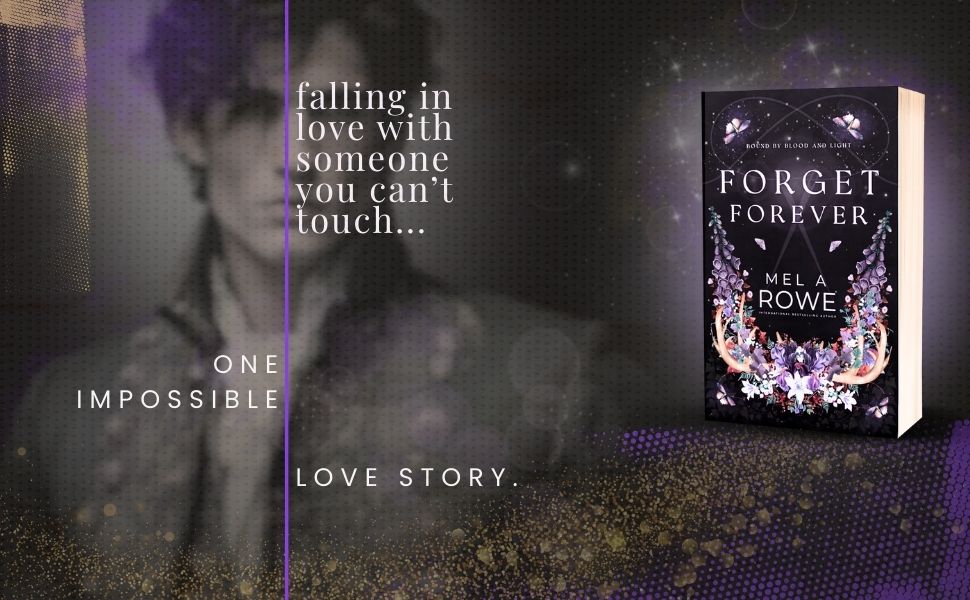
And in Forget Forever?
Chantelle can’t light her own hearth flame, and Lord Lucien MacArloch fills his hearth with swords and Scotch!
Yet, these two people may discover the real spark was never the fire itself, but the warmth they build when they stop running from themselves to confront the curse that made him a ghost in the first place.