Why These Ancient Beings Matter to Witches, Pagans, and Romance Readers
A companion piece to “Spooky Manors — Are They Really Spooky?” and the start of our House Spirits & Domestic Ritual Magic Series…
When we talk about old houses in gothic romance, we often focus on the architecture, the atmosphere, and the shadows that dance across ancient hallways. But there’s something else dwelling in those walls—something our ancestors knew intimately and modern readers are rediscovering…
House spirits.
These aren’t the vengeful ghosts of horror films or the transparent specters rattling chains at midnight. House spirits are something far more ancient, and yes, more real to those who believe in them.
What are House Spirits?
House spirits are protective beings that safeguard the home and its inhabitants, and belief in them spans cultures across the entire world. Ancient Romans held religious rituals honoring the spirits of their homes, believing households would thrive if spirits were honored and suffer if neglected.
But here’s what makes house spirits fascinating: they’re not just one thing…
There are actually two types of house spirits:
1. The Spirit of the House Itself
Every house has a spirit—the soul of the house itself, built from materials like wood, stone, and brick that originated from natural places. If trees and stones have spirit or energy, that essence transfers into the home built from them.
This is the house as a living being. A house is more than a building—it is a microcosm, a living being with both body and soul. It speaks through creaking floorboards, settling foundations, and the particular energy you feel the moment you step through the door.
Think of Manderley in Rebecca or the grand Sept-Tours Manor in A Discovery of Witches, where the walls remembered centuries of family history.
2. Individual House Spirits (The Helpful Household Beings)
These are fairy-like creatures from folklore known as the Anglo-Scottish brownie and Slavic domovoy. They’re the gnomes, imps, and helpful household spirits the ancestors believed dwelt in their homes.
These spirits have personalities, preferences, and sometimes mischievous streaks. They help with chores, guard the family, and occasionally play pranks when offended.
He, She, or They? The Gender of Houses & Their Spirits
Here’s where it gets interesting.
In English literary tradition, houses and ships are typically referred to as “she”—likely tied to ideas of homes as nurturing, protective, womb-like spaces. Come on, I bet your car is also known as a ‘her’. But you’ll see this trait throughout gothic literature: “she stands,” “her halls,” “she remembers.”
But the spirits that inhabit them? They span the entire gender spectrum:
- Domovoi (Slavic) – masculine spirits with long grey beards
- Brownie (Scottish) – typically masculine household helpers
- Banshee (Irish) – feminine spirits attached to families
- Hob/Hobgoblin (English) – can be either gender
- Kotihaltia (Finnish) – little elf figures, gender varies
- Zashiki-warashi (Japanese) – child-like spirits of either gender
The house might be “she,” but the spirit dwelling within could be anyone.
House Spirits Across Cultures: A World Tour of Hearth Guardians
Domovoi (Slavic Tradition)
The Domovoi is a small, hairy, male household god of the Russian Slavs, derived from ‘dom’ meaning house. He usually lives beneath the threshold, under the stove, or in the oven, and is sometimes thought to be the spirit of the original head of the household.
Personality: Benevolent but can become vindictive if neglected. Must be taken with the family when they move, or conflict will arise.
Warning: Seeing the Domovoi is considered a bad omen and a warning of impending death.
Brownie (Scottish & English Folklore)
This is said to be the beloved household helper that inspired Dobby from Harry Potter. Brownies are stunted elf-like beings that come out at night to help with chores, preferring not to be seen.
Personality: Helpful and hardworking, but easily offended.
Critical Rule: Never reward a brownie with clothing or praise—they will become offended and leave. (Sound familiar, Harry Potter fans?)
Hob/Hobgoblin (Northern England)
Hobs are household spirits that can also inhabit shops and farms, being less closely associated with specific families than other house spirits. They’re more versatile than brownies but share similar traits and taboos.
Zashiki-Warashi (Japanese Folklore)
These spirits tend to inhabit nicer, older houses and are fond of playing pranks like making noise in empty rooms and unmaking bedcovers. Despite mischief, they are not seen as evil spirits, and their presence usually signals good fortune.
Trasgu (Northern Spain)
A goblin with a strange love of domestic chores and a tendency toward mischief, possibly related to the more violent red cap of European folklore but with a more impish reputation.
Other House Spirits Around the World:
- Kobold (German) – similar to brownies and hobs
- Haltija/Kotihaltia (Finnish) – house gnomes living in attics or barns
- Bean-tighe (Irish) – female household spirit
- Duende (Spanish) – household fairy
- Bes (Ancient Egyptian) – god who protected common people’s homes
- Tsukumogami (Japanese) – spirits of discarded household objects
The Ancient Purpose: Why Did Our Ancestors Believe in House Spirits?
House spirits served crucial functions in ancient cultures:
1. Protection & Prosperity
Each household was responsible for honoring its own spirits, and homes were thought to function based on how residents treated their spirits. Honored house spirits meant thriving households, while neglected spirits meant suffering inhabitants.
2. Connection to Ancestors
Many traditions believed house spirits were departed ancestors who continued to watch over and protect the family.
3. Those Superstitions or Traditions That Involve The Homes
Ancient customs for constructing and keeping a house formed a sacred bond between homes and their inhabitants. This is why we have traditions like:
- Carrying the bride over the threshold
- Hanging horseshoes over front doors for good luck
- Placing wreaths on doors
- Blood sacrifices when laying foundations (in ancient times, that is)
House Spirits in Modern Witchcraft & Pagan Practice
Yes, modern witches and pagans absolutely work with house spirits.
Animistic witchcraft views everything as alive with spirit or vital energy—animals, plants, rocks, rivers, trees, and even buildings.
For a witch, acknowledging the house spirit is as natural as acknowledging the moon’s phases or the turn of the seasons. It’s about relationship, respect, and understanding that they are never truly alone in their homes—that is co-created with the spirits that dwell there.
Common Practices Include:
1. Introducing Yourself to a New Home
When moving into a new home, practitioners shift their perspective to see the house as alive and spirited, and will introduce themselves and offer to work together.
Some practitioners open doors and windows to allow unwanted spirits to depart before doing a cleanse and settling in.
2. Naming Your House
In the old days, every house was given a name—a tradition that continued until recent years. Names like “Green Manor,” “House of the Seven Gables,” or “Strathmuir Manor” were more about acknowledging the house’s individual spirit. It’d be a fun tradition to recreate by naming your own home.
3. Offerings to House Spirits
Building a domestic altar or shrine and offering portions of meals or other items is a traditional way to honor house spirits.
Traditional offerings might include:
- Milk or cream
- Honey
- Bread or cake
- A portion of dinner
- Wine or mead
- Clean water
4. Respect During Renovations
Offerings are especially important if renovations are about to begin, as disturbances can stir up spirits. Ever wonder if hauntings triggered by renovations aren’t ghosts but the house spirit itself responding to those changes?
5. Acknowledgment & Gratitude
Simply recognizing that your house has a spirit is enough to show gratitude. Speak kindly to your home, and most of all thank it for sheltering you. A little can go a long way.
House Spirits in Literature & Popular Culture
The Bishop House in A Discovery of Witches
One of the funnest (yes, I made that word up) house spirits in modern literature appears in Deborah Harkness’s All Souls Trilogy. The Bishop house—the ancient family home in Madison, New York—not only is it full of cottagecore charm, but it holds a very distinct, spirited personality. It responds to Diana’s emotional state, provides comfort, and even seems to communicate through the way rooms feel and objects appear.
The house isn’t just haunted by ghosts; it’s alive with protective energy that has watched over the Bishop witches for generations.
Other Examples:
- Howl’s Moving Castle – The castle itself has personality and sentience
- House of Leaves – The house as an entity with its own malevolent will
- The Haunting of Hill House – “Whatever walked there, walked alone”—the house as a conscious entity
- Hogwarts – A castle that clearly has its own awareness and helps or hinders as it chooses
The Romance of House Spirits
Here’s what makes house spirits perfect for gothic romance fiction:
1. They Create Intimacy
When characters acknowledge the house spirit together, they’re sharing something intimate—a secret knowledge, a mutual respect for the unseen. It bonds them.
2. They Add Layers of Mystery
Is that creak on the stairs the hero’s footstep… or the house spirit moving through? Is the heroine being protected by something ancient that dwells in the walls?
3. They Connect Past to Present
House spirits often represent generational continuity—the ancestors watching over the living, history bleeding into the present. Perfect for romances involving family legacies and inherited estates.
4. They Make Houses Feel ALIVE
A manor with a house spirit isn’t just a setting—it’s a character with opinions, moods, and the power to influence the romance story’s outcome.
Final Thoughts: When Houses Remember
House spirits have survived because the relationship between humans and their homes is primal, necessary, and deeply felt.
We need our homes to feel alive, and the comfort we get that something wonderful keeps watch over us while we sleep. That the walls will remember our joys and sorrows, and that we’re part of a continuing story written within the timber and stone.
Gothic romance understands this instinctively. Every great manor in fiction feels alive because, on some level, we believe it is alive—or at least shelters something that remembers, watches, and perhaps even loves.
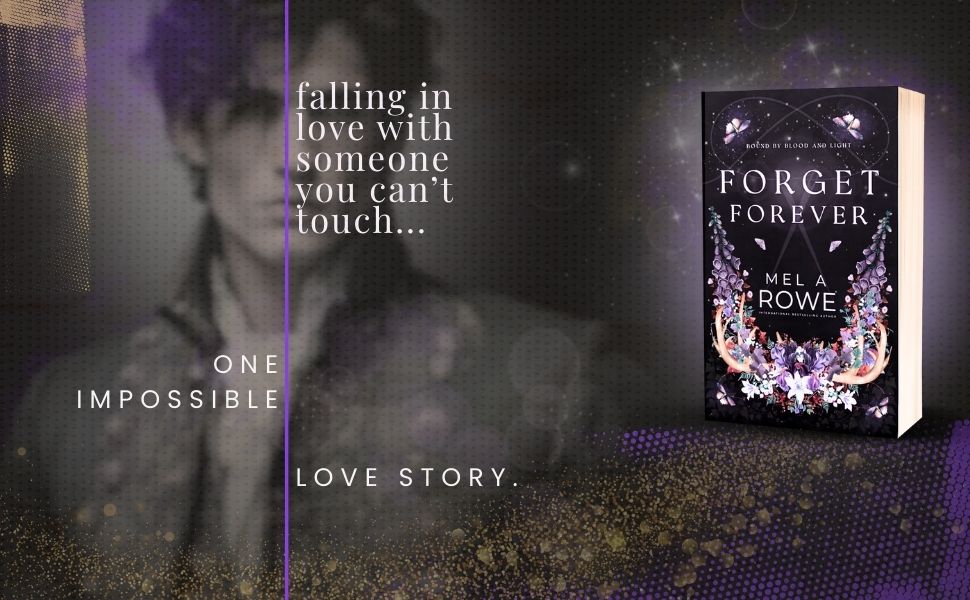
So when you step into Strathmuir Manor in Forget Forever, remember: you’re not just entering a building that has witnessed every secret whispered in its halls, every love kindled by its fires, and especially the ghost that could never leave…
Are you ready to meet what dwells within these manor walls?

Read the House Spirits & Domestic Ritual Magic Series:
- House Spirits: The Invisible Guardians Who Dwell in Old Houses
- Hearth Magic: The Sacred Fire at the Heart of Home
- Reading Rituals for Fiction Readers
Further Reading:
- The Tradition of Household Spirits: Ancestral Lore and Practices by Claude Lecouteux
- All Souls Trilogy by Deborah Harkness (particularly the Bishop House sections)
- Household Spirits of German Folklore (Wool of Bat series)