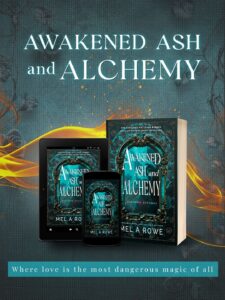
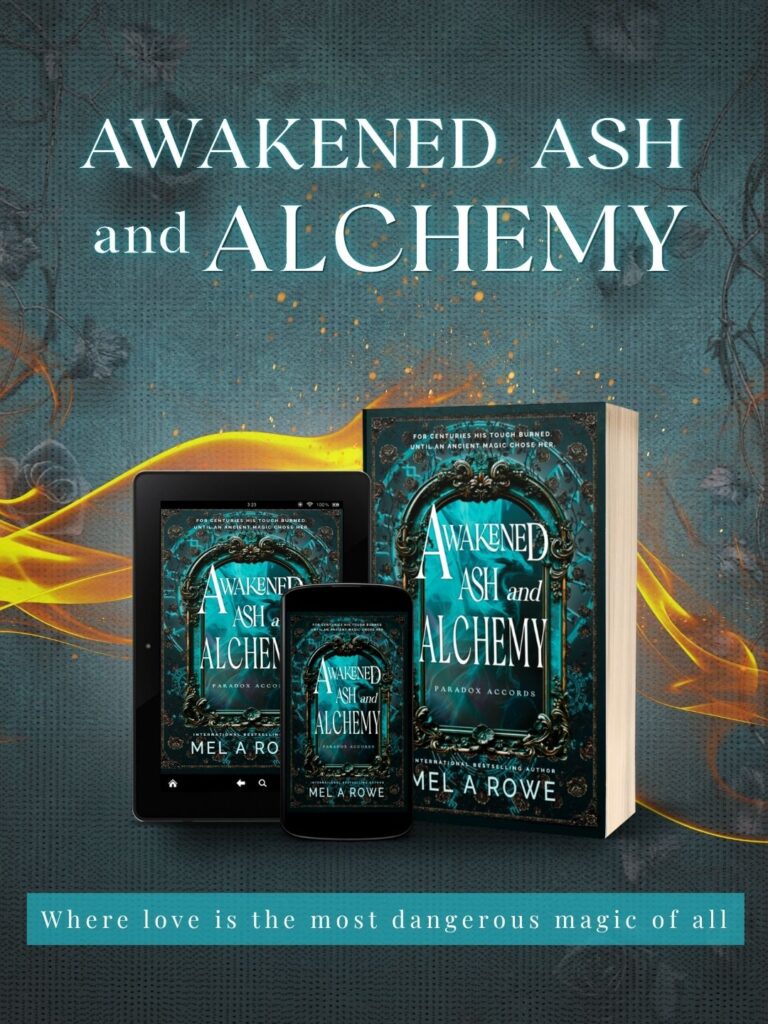
Dark fantasy romance: what does the label mean, and what category does that put my new Gothic Romantasy duology, Paradox Accords book 1: Awakened Ash and Alchemy, that has a fated mates bond, a hero whose world calls him a monster, and a castle full of secrets…
What Does “Dark Fantasy Romance” Actually Mean?
Dark fantasy romance, usually shortened to “dark romantasy”, is a subgenre that blends fantasy world-building with the mature content of dark romance, all built around a central love story.
The genre’s defining traits:
- Morally grey leads: anti-heroes, villains, assassins, sometimes literal monsters, cast as the love interest
- Grim, atmospheric worlds: gothic horror, forbidden magic, warring kingdoms, oppressive supernatural societies
- High stakes: curses, executions, war, trauma, survival
- Mature content: explicit sexual content, violence, and taboo or triggering themes as the norm, not the exception
- They do have a happy ending: however dark the road, the genre promises that somehow the love survives
Sounds grim, huh!
But let’s go even deeper…
Dark Romance vs. Dark Fantasy Romance — Where the “Dark” Actually Comes From
The two get lumped together, but the darkness comes from different places.
- Dark romance: its real-world settings are like mafia, corporate, contemporary. The danger lives inside the relationship itself, usually based on an obsession, some form of manipulation, and a lot of non-consent.
- Dark fantasy romance: has secondary worlds, curses, monsters, empires. The darkness is usually driven by the world or a character’s nature.
Here’s the test that actually matters: violence toward the protagonist isn’t automatically “dark.” It’s when the violence from one lead toward the other is what’s makes it dark romance. Commonly, he’ll hurt her.
Oh, and Dark Romance usually comes with ‘Trigger Warnings.’
So… Is Paradox Accords Dark Romantasy?
No — and we took it around the block to test our theory (via various social media forums and readers for their feedback)…
Paradox Accords does share a few surface-level tropes common with dark romantasy:
- a fated bond neither character chose
- captivity and forced proximity
- a power imbalance of sorts
- and a hero the world brands a monster.
On paper, that sounds like the genre. Right?
But dark romantasy is defined by where the fear comes from — and in Awakened Ash and Alchemy, it never comes from Captain Zarek, our MMC. He’s enormously powerful, and there’s a real imbalance between them based on his status in his world, where Angela doesn’t even believe in magic.
But he also protects her, never controls her, or makes her feel small in any way. Any imbalance is a source of tension, not a source of harm. In fact, Captain Zarek goes out of his way not to harm her, especially when his magic burns! Literally.
What you’ll find in Paradox Accords:
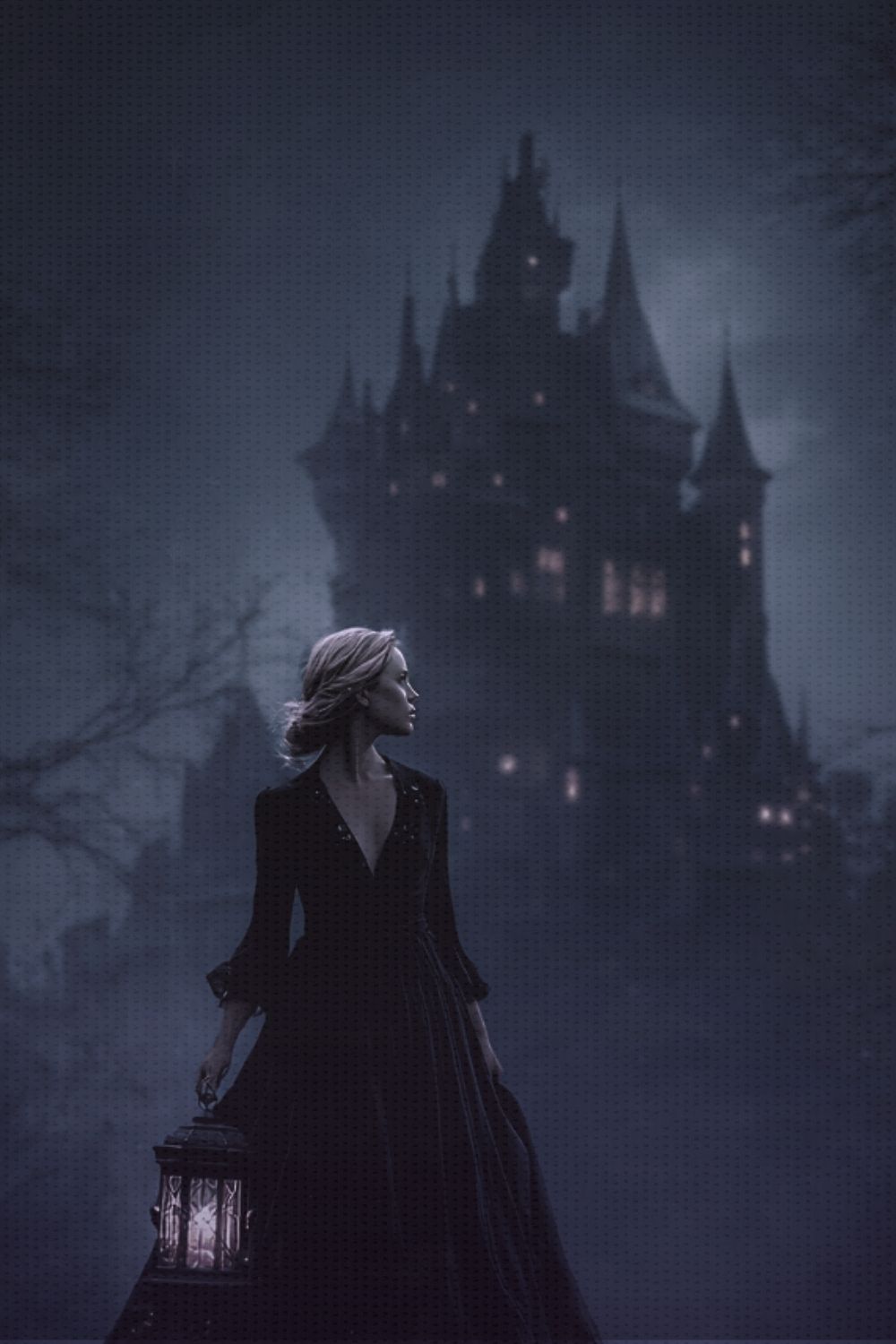
- Gothic atmosphere and a castle full of twisty corridors
- A law that forbids a certain kind of love
- Soul-snatching creeps lurking in dark alleyways
- A hero the world fears — and misreads
- World-building that gets more troubling the deeper you dig
- And rain. That’s part of the gothic vibe list, right?
What you won’t find in Paradox Accords:
- Violence or cruelty between the leading couple
- Humiliation
- Non-consent that causes harm
- A romance built to feel unsafe
Dark fantasy romance is when the romance itself stops feeling safe. That’s not what you’ll find in Awakened Ash and Alchemy. It’s a book that doesn’t come with trigger warnings.
What Paradox Accords Actually Is
Gothic fantasy romance — not dark romantasy. It just has the same DNA as a dark fantasy with its tension and high-stakes danger and drama. But the horror lives in the world Angela is uncovering, not in the man standing next to her trying to keep her safe!
So if you’re curious to find out what a gothic fantasy romance looks like when the hero protects instead of preying on his potential partner? Meet Captain Zarek and Angela in Awakened Ash and Alchemy, Book 1 of the Paradox Accords duology.